
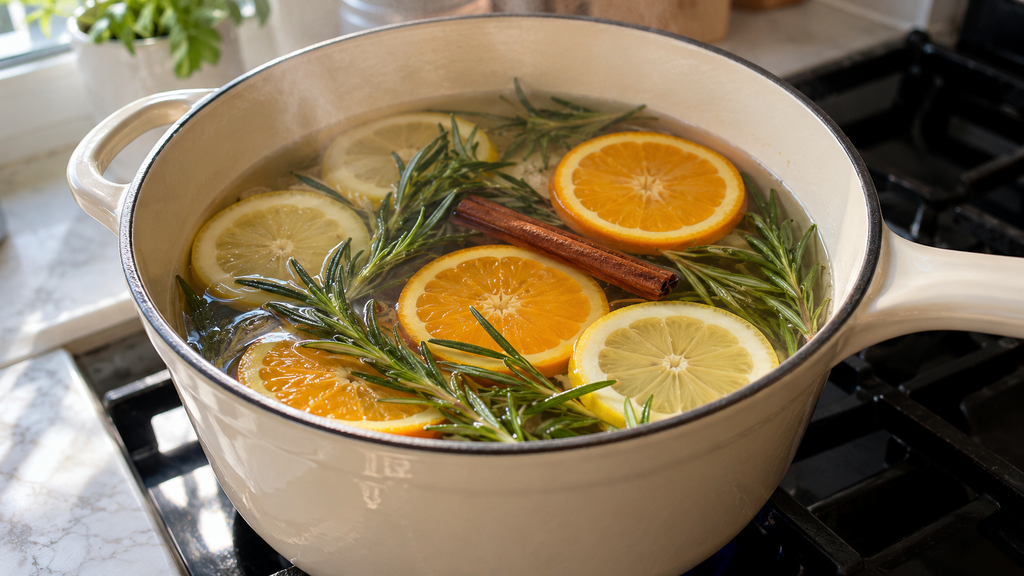
Rosemary simmer pot recipes combine herbs, citrus, and spices for temporary home fragrance. Simmer two rosemary sprigs, one sliced lemon, and four cups of water for 20–30 minutes. Keep the heat low and never leave the stove unattended.
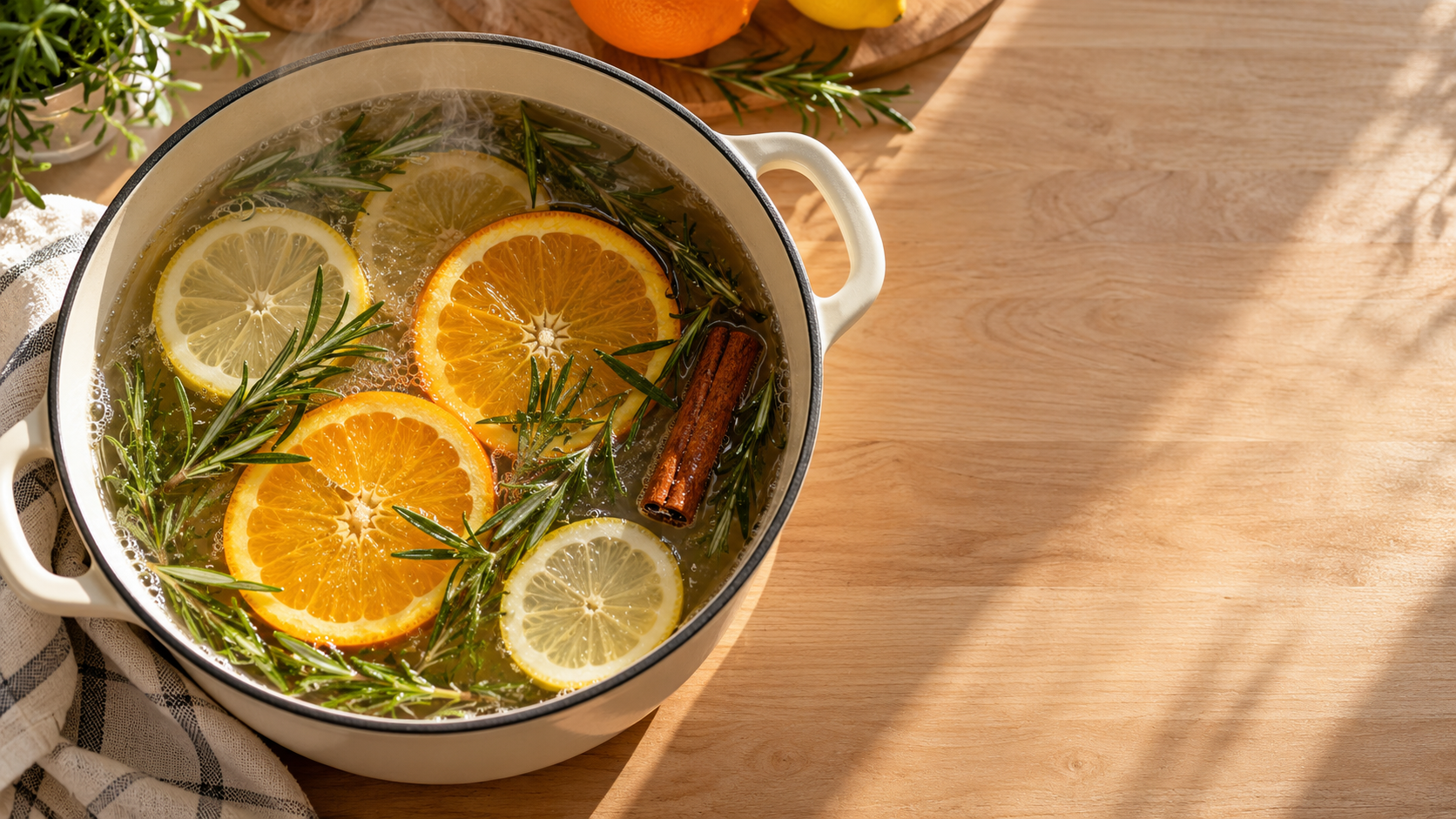

Rosemary Simmer Pot Recipe
Ingredients
Equipment
Method
- Instructions:
- Rinse rosemary and lemon; slice lemon with peel intact.
- Place ingredients in a saucepan.
- Add water and bring to a gentle simmer.
- Reduce heat; simmer uncovered for 20–30 minutes, checking frequently and adding water as needed.
- Turn off heat and cool before discarding.
Notes
Recipe Notes
-
Stronger fragrance: Add another rosemary sprig or a few fresh lemon slices instead of increasing the heat.
-
Lighter fragrance: Use one rosemary sprig and omit the cinnamon stick for a softer herbal citrus scent.
-
Dried rosemary substitute: Replace fresh sprigs with 1–2 teaspoons of dried culinary rosemary. Use a mesh infuser to contain the leaves.
-
Seasonal variation: Replace the lemon with one sliced orange and include the cinnamon stick for a warmer winter fragrance.
-
Reuse and storage: Reuse cooled ingredients later the same day if still fresh. Alternatively, cool promptly, refrigerate in a covered container, and use within about 24 hours. Discard if spoiled.
-
Slow cooker option: Add the ingredients and water to a suitable slow cooker on LOW. Follow the appliance instructions for lid positioning, monitor regularly, and replenish water as necessary.
Rosemary (Salvia rosmarinus, formerly Rosmarinus officinalis) smells herbal and pine-like. Citrus brightens it; spices create warmer blends.
How Do You Make a Rosemary Simmer Pot?
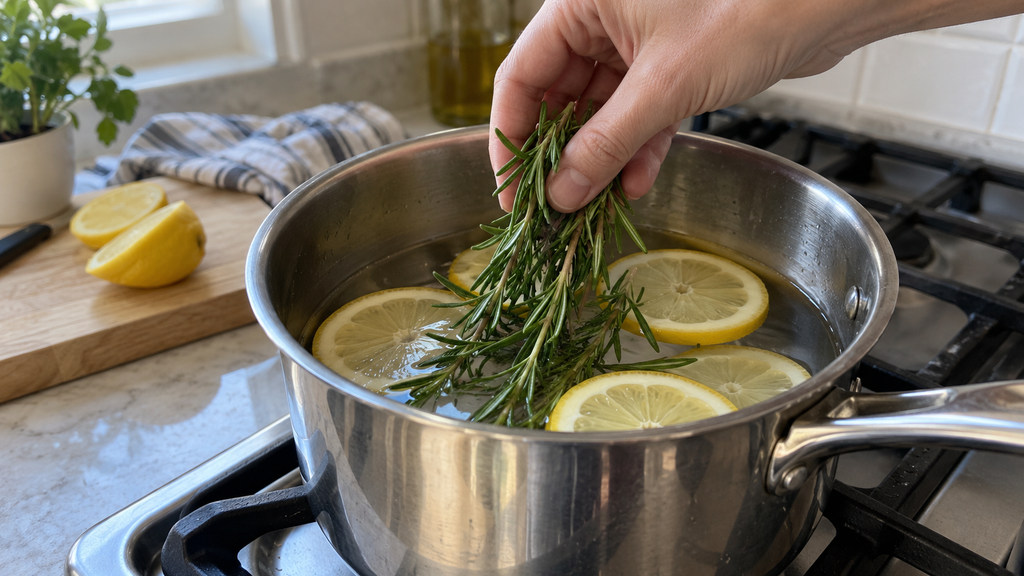
Use a saucepan, rosemary, water, and citrus. Lemon peel balances rosemary’s sharper scent.
Ingredients
- 2 fresh rosemary sprigs
- 1 lemon, sliced
- 4 cups (about 950 ml) water
- 1 cinnamon stick (optional)
Instructions
- Rinse the rosemary and lemon, then slice the lemon with its peel intact.
- Place the ingredients in a saucepan and add water, leaving space below the rim.
- Bring the mixture to a gentle simmer, then reduce the heat. Avoid a rolling boil.
- Simmer uncovered for 20–30 minutes. Check frequently and add water before the level gets low.
- Turn off the burner when finished or whenever you cannot supervise the pot.
Add spices gradually so they do not mask rosemary. Citrus peel contributes more aroma than extra juice. Choose a saucepan large enough to leave room above the waterline and keep it uncovered during fragrance sessions. Do not let fruit stick to the dry sides of a hot pan.
Which Rosemary Simmer Pot Recipes Are Best?

Each blend uses four cups of water and a gentle 20–30-minute simmer.
1. Lemon Rosemary
Combine two rosemary sprigs and one sliced lemon. A bright, simple everyday blend.
2. Orange Cinnamon Rosemary
Use two rosemary sprigs, one sliced orange, and two cinnamon sticks. Add two whole cloves if desired.
3. Cranberry Christmas Rosemary
Add two rosemary sprigs, ½ cup cranberries, one sliced orange, and one cinnamon stick. Cranberries add color; orange and spice provide most of the fragrance.
4. Grapefruit Ginger Rosemary
Combine two rosemary sprigs, half a sliced grapefruit, and two slices of fresh ginger. Crisp citrus with an herbal finish.
5. Apple Star Anise Rosemary
Use two rosemary sprigs, one sliced apple, one cinnamon stick, and one whole star anise pod. An autumn-inspired scent.
6. Lime Mint Rosemary
Combine two rosemary sprigs, one sliced lime, and five mint leaves for a fresh, green scent.
7. Pear Vanilla Rosemary
Use two rosemary sprigs, one sliced pear, ½ teaspoon vanilla extract, and one cinnamon stick. Soft, sweet fragrance.
8. Bay Lemon Rosemary
Add two rosemary sprigs, two culinary bay leaves, and half a sliced lemon. A woodsy herbal blend.
9. Lavender Citrus Rosemary
Combine one rosemary sprig, ½ teaspoon food-grade lavender, and half a sliced lemon. Use lavender sparingly.
10. Budget Rosemary Blend
Simmer two rosemary sprigs with clean leftover lemon peels. An economical use for herb and citrus scraps.
For rosemary-forward fragrance, use one citrus fruit and one supporting spice. Cranberries and apples contribute seasonal appearance without the intense scent of citrus peel or cloves. These are scent expectations, not measured rankings; strength will differ with freshness and ventilation.
What Pairs Best With Rosemary?
Citrus contrasts with rosemary’s evergreen notes. Apple and pear are subtler; mint, thyme, and culinary bay add herbal notes. Cloves, ginger, and star anise add warmth.
- Fresh: rosemary, lemon, and mint.
- Cozy: rosemary, orange, and cinnamon.
- Woodsy: rosemary, culinary bay, and lemon.
Use culinary bay, not unidentified garden leaves. Whole spices are easier to remove than powdered spices, which can cloud the water. Avoid spoiled ingredients and fragrance oils. For simpler combinations, begin with two or three aromatic ingredients rather than mixing everything available.
How Long Should Rosemary Simmer?
Scent may develop in 10–20 minutes. Continue for 30–120 minutes only with supervision and water refills.
A rolling boil wastes water. Room size, ventilation, and ingredient freshness affect the scent. If it fades, step into another room briefly before adding more herbs: you may have adapted to the fragrance. Turn off the burner whenever you need to leave the kitchen; never simmer overnight.
Is Fresh or Dried Rosemary Better?
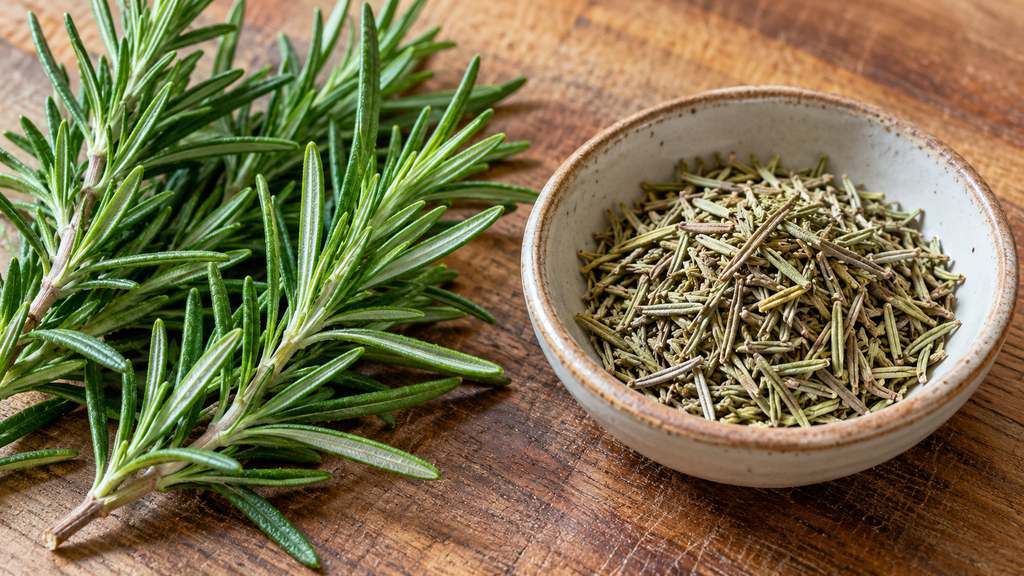
Fresh sprigs are easy to remove; dried rosemary works if still fragrant. Try one or two teaspoons dried rosemary instead of two fresh sprigs.
An infuser contains loose leaves and simplifies cleanup. Lightly bruise fresh sprigs to release aroma rather than grinding them into the water. Discard moldy herbs and store dried rosemary sealed away from heat, light, and moisture.
Why Doesn’t Your Simmer Pot Smell Strong?
Weak scent may reflect old herbs, exhausted peel, excess water, a large room, or scent adaptation.
- Too weak: replace tired rosemary or add fresh citrus peel.
- Too medicinal: reduce rosemary, bay, or lavender.
- Too spicy: remove cloves or star anise.
- Burnt smell: switch off the burner and allow the pot to cool safely.
- Sour smell: discard old fruit and wash the saucepan.
Do not increase heat just to strengthen the fragrance. If the mixture has become unpleasant, start a fresh batch instead of trying to conceal the odor with cinnamon or vanilla.
Are Rosemary Simmer Pots Safe?
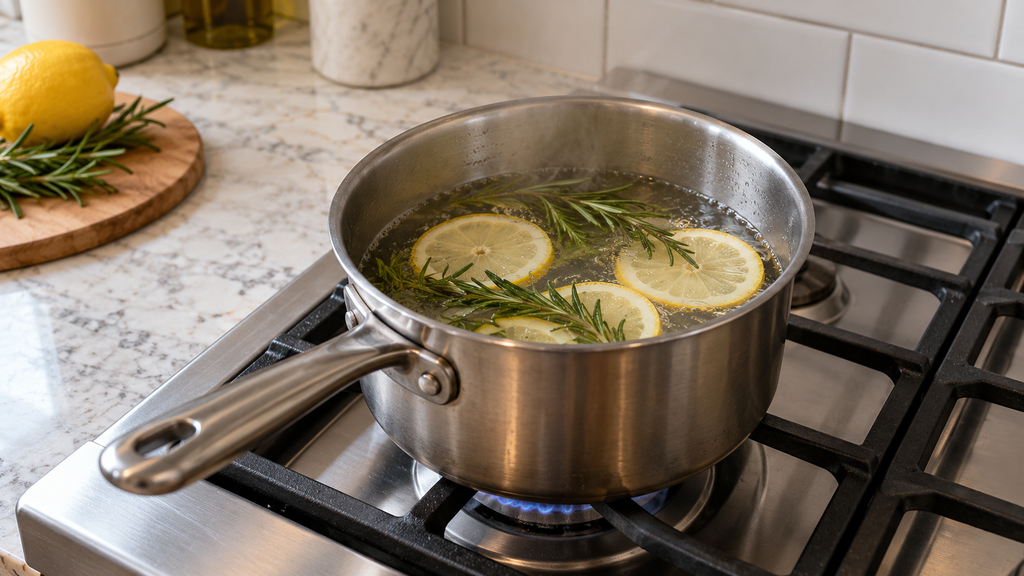
Hot water and burners pose risks. Turn handles inward, monitor water, keep children and pets away, and never simmer unattended.
The ASPCA lists rosemary as non-toxic to cats and dogs, but other ingredients and oils may be hazardous. Prevent pets drinking the water, and keep concentrated essential oils out of these recipes. Birds are sensitive to airborne irritants; anyone with asthma or fragrance-triggered symptoms should stop the session if discomfort occurs.
Can You Reuse a Rosemary Simmer Pot?
Reuse once if ingredients remain sound: cool promptly, refrigerate covered, and use the next day. Discard if slimy or sour.
Never leave fruit water out overnight or drink fragrance mixtures. Compost suitable cooled scraps.
Does Rosemary Have Health Benefits?
Rosemary offers fragrance, not disease treatment. Small aroma studies report cognitive-task associations but cannot establish simmer-pot benefits.
Culinary rosemary and concentrated oils are different. Avoid triggering fragrances.
What Does Rosemary Symbolize?
Rosemary traditionally symbolizes remembrance, fidelity, or protection, including in doorway customs. Neither rosemary nor cloves have proven supernatural effects.
Can Rosemary Remove Bad Household Smells?
Simmer pots mask odors rather than remove causes. Empty bins, clean food residue, dry fabrics, wash pet bedding, fix leaks, and ventilate.
Use saved citrus peel after cleaning for an inexpensive scent. Investigate persistent musty odors rather than masking them; damp fabrics and water leaks need attention before adding fragrance.
What Are Common Rosemary Simmer Pot Questions?
Can I boil rosemary to make my house smell good?
Yes. Gently simmer rosemary with water and citrus peel for about 20–30 minutes while supervising the stove. A rolling boil is unnecessary.
What three ingredients smell good together?
Rosemary, lemon, and cinnamon provide a fresh herbal scent with warmth. Add water and simmer gently.
Can I leave a simmer pot overnight?
No. Turn off the burner before sleeping, leaving the kitchen, or whenever you cannot supervise the saucepan.
Is rosemary better boiled or soaked?
Gentle heating produces an immediate room fragrance more readily than cold soaking. Avoid vigorous boiling.
Can rosemary simmering purify indoor air?
There is no established evidence that rosemary steam removes indoor pollutants. Remove odor sources and ventilate appropriately.
What does rosemary by the front door mean?
In some traditions, it symbolizes remembrance, welcome, or protection. Those meanings are cultural rather than proven supernatural effects.
Can I use rosemary essential oil instead?
Fresh or dried culinary rosemary is preferable for these blends. Concentrated oils carry different exposure and pet-safety considerations.
What should I do with the mixture afterward?
Let it cool, discard spoiled ingredients, and compost suitable scraps. Do not drink the fragrance water.
Start with lemon-rosemary, then try orange-cinnamon or lime-mint. Always supervise and replenish water.
Myra is the founder of Simmer Pot Recipes, where she shares cozy simmer pot recipes, stovetop potpourri ideas, and natural home fragrance blends for every season. She helps readers make their homes feel warm, fresh, and inviting using simple fruits, herbs, spices, and everyday ingredients.